Indian Classical Music and Spirituality: Nada Brahma
Explore the spiritual foundations of Indian classical music, the concepts of Nada Brahma, raga, and tala in both Hindustani and Carnatic traditions.
Nada Brahma: The Sound of the Divine
Indian classical music is not merely a form of entertainment but a profound spiritual discipline. The concept of Nada Brahma, meaning sound is God, encapsulates the understanding that music is a path to spiritual realization. Both Hindustani classical music of North India and Carnatic music of South India share this spiritual foundation, though they have developed distinct characteristics over centuries.
The Foundations of Raga and Tala
The two fundamental elements of Indian classical music are raga and tala. Raga, which literally means color or passion, is the melodic framework that defines the mood and emotion of a piece. Each raga is associated with a specific time of day, season, and emotional state. There are hundreds of ragas, each with its own ascending and descending scale, characteristic phrases, and ornamental patterns.
Tala is the rhythmic cycle that provides the temporal framework for the music. Talas are complex rhythmic patterns ranging from simple three-beat cycles to elaborate 108-beat cycles. The tabla in Hindustani music and the mridangam in Carnatic music are the primary percussion instruments that articulate the tala.
The Spiritual Dimension
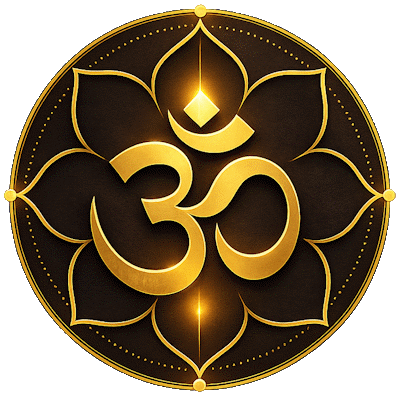
According to Hindu tradition, the universe itself was created through sound. The primordial vibration Om is considered the source of all existence. Music, being organized sound, is a means of connecting with this cosmic vibration. The practice of Indian classical music is therefore a form of yoga, a discipline that harmonizes the individual with the universal.
The Natya Shastra, an ancient treatise on performing arts, describes music as a means of elevating consciousness. The rasa theory explains that music evokes specific emotional responses that purify the mind when experienced with detachment. The highest aim of musical performance is to create a state of bliss where performer and listener alike transcend ordinary consciousness.
Hindustani Classical Music
Hindustani classical music evolved in North India from the synthesis of Vedic traditions and Persian influences during the Mughal period. The khayal style dominates modern Hindustani music, characterized by its improvisational nature and emotional depth. The dhrupad style is older and more austere, focusing on precise intonation and meditative development.
Notable instruments in Hindustani music include the sitar, sarod, bansuri, and shehnai. Each instrument has its own repertoire and technique. The gharanas or stylistic schools preserve distinctive approaches to performance and teaching, passed down through the guru-shishya tradition.
Carnatic Classical Music
Carnatic music developed in South India with a stronger emphasis on composition and structure. The system is built around the kriti, a fixed composition with three sections pallavi, anupallavi, and charanam. The Trinity of Carnatic music Tyagaraja, Muthuswami Dikshitar, and Syama Sastri composed thousands of kritis that form the core repertoire.
The violin, veena, and mridangam are central to Carnatic music. A typical concert, called a kutcheri, follows a structured format beginning with a varnam and progressing through various kritis and raga elaborations. The percussion solo or tani avartanam is a highlight of the concert.
Indian classical music is a living meditation, a journey into the depths of sound where the boundaries between musician, instrument, and listener dissolve into the single reality of Nada Brahma.
The Gharanas of Hindustani Music
The gharana system in Hindustani classical music preserves distinct stylistic traditions passed down through generations. Each gharana has its own approach to raga elaboration, ornamentation, and repertoire. The Gwalior gharana is the oldest and emphasizes clarity and structure, while the Jaipur gharana is known for complex raga combinations. The Kirana gharana focuses on the meditative exploration of each note.
These stylistic schools emerged from the guru-shishya tradition and reflect the personal vision of their founders. Despite their differences, all gharanas share the common goal of expressing the spiritual essence of music. The diversity of gharanas enriches the overall tradition and provides multiple paths to musical excellence.
Learning and Appreciating Classical Music
Learning Indian classical music traditionally requires years of dedicated practice under the guidance of a guru. Students begin with basic note patterns and gradually progress to complex ragas and compositions. The tradition of riyaz or disciplined practice is central to mastery. Even for listeners, understanding the basic structure of ragas and talas greatly enhances the appreciation of classical music performances.
Carnatic music has a rich tradition of devotional compositions called kritis. The lyrics of these compositions often express profound philosophical ideas and devotion to specific deities. The composer Tyagaraja wrote thousands of kritis in Telugu and Sanskrit, expressing his love for Lord Rama. These compositions are not merely artistic works but vehicles for spiritual expression and meditation.
Both Hindustani and Carnatic music share common roots in the Vedic tradition of chanting and the Natya Shastra. The seven basic notes sa, re, ga, ma, pa, dha, ni are derived from the sounds of animals and birds, connecting music with nature. The microtones or shrutis provide subtle nuances that give Indian classical music its distinctive emotional quality and spiritual depth. The systematic study of these elements reveals a sophisticated understanding of sound and its effects on human consciousness.